The short answer
Build the delivery plan from one controlled shipping configuration. Record its width, height, length, weight and support points. Have the carrier test the public-road permit route and the project team walk the last mile, gate, turns, grades, overhead space, staging area and set location. Define the unloading or crane plan, ground preparation, utility hazards, weather hold points, damage process and acceptance record. Hold shipment until the carrier, supplier, site lead and lifting contractor use the same revision.
A cabin can be ready at the factory and still have no workable path to its foundation. The gap usually sits between two scopes.
The manufacturer knows the unit. The civil team knows the parcel. Someone still has to make the public-road route, last mile, unloading plan and prepared site agree.
This guide does not select a carrier, issue a permit, approve a route, design a lift, establish site bearing capacity or set a delivery date.
Load file
Freeze the shipping configuration.
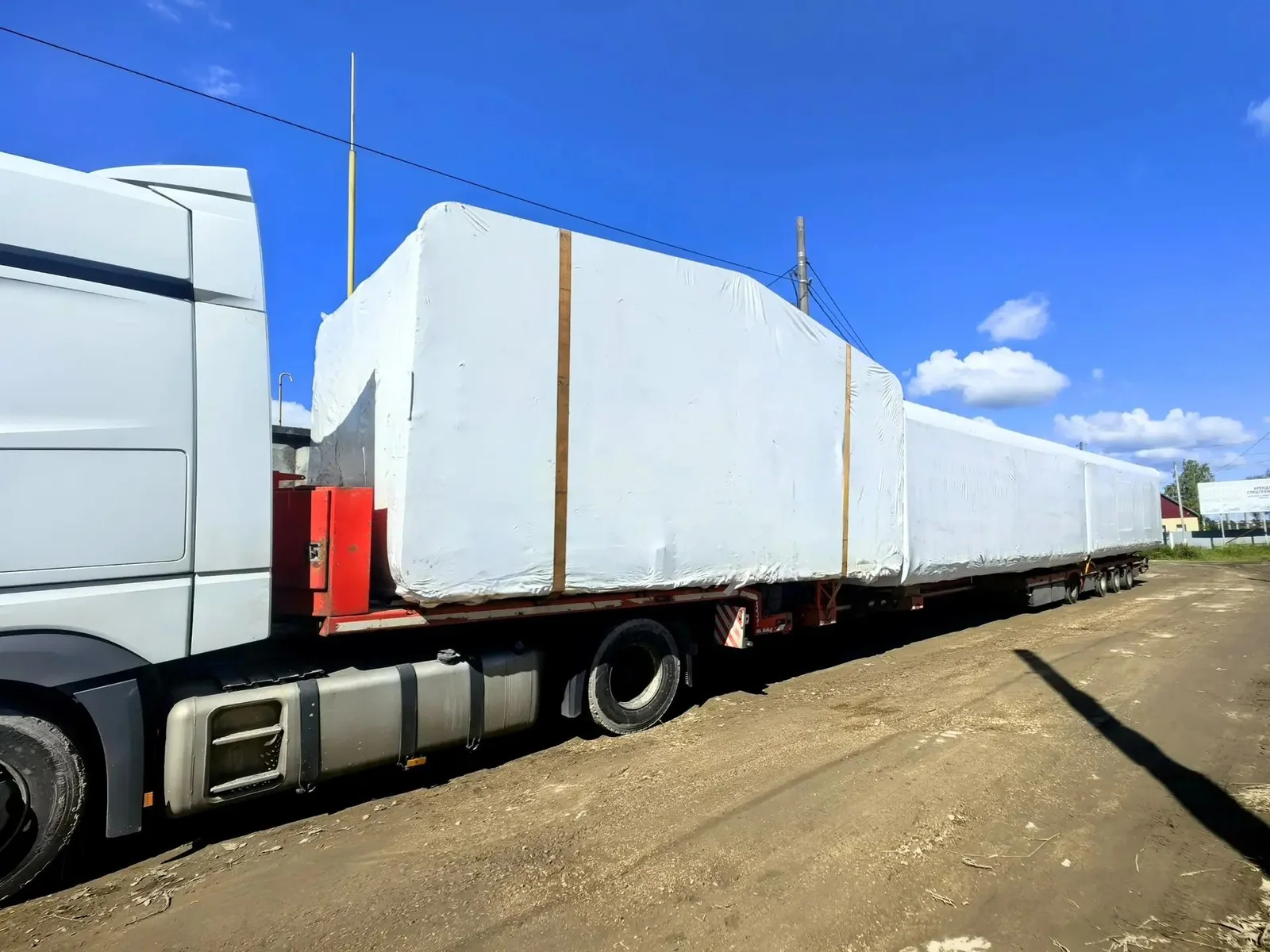
The sales plan is not the transport plan. Request the drawing for the unit as it will travel. Roof projections, porch sections, protective wrapping, lifting frames and temporary bracing can change the envelope. The file should identify the unit, revision, transport dimensions, gross shipping weight, axle assumptions where available, handling data, support points and lifting instructions.
Record what travels separately. Stairs, decks, skirting, mechanical equipment, furniture and site-built connections may arrive on another truck or another day. Each load needs an owner, delivery window and storage plan.
The Federal Motor Carrier Safety Administration says its interstate cargo-securement rules apply broadly to cargo-carrying commercial vehicles and require cargo to be immobilized or secured with suitable structures, blocking, bracing or tiedowns. The carrier controls compliance. The owner file should still identify who prepares the cabin for transport, checks it at pickup and records arrival damage.
A brochure dimension is an early screening number. Release the route against the carrier's current transport configuration.
Permit route
Separate the highway permit from the full route.
The Federal Highway Administration states that the federal government does not issue oversize or overweight permits. States handle that permission, and the permitting contacts for each state crossed must be used. FHWA also notes that states may issue overwidth permits for vehicles, including manufactured housing, above the federal 102-inch width limit on the National Network.
This division matters when a factory and project sit in different states. A route file may need several state permits and separate checks for county roads, municipal streets, private roads or property entrances. A permit for one road system does not prove the rest of the trip.
Florida offers a useful example. FDOT says its permit office covers state-maintained roads. Ten-day trip permits and three-month route-specific blanket permits require a defined route. The project must still identify the agency or owner responsible after the state route ends.
Ask the carrier to record the proposed route, permit applicant, jurisdictions crossed, travel restrictions, escort needs, permit status and expiry. Keep approval numbers in the shipment file when issued. An old permit or map screenshot is not current authorization.
Last mile
Walk the last mile with the delivery envelope.
Walk the route in the direction the truck will travel. Record road width and edge condition, bridge or culvert questions, grade changes, tight turns, gate clearances, trees, overhead lines, signs, mailboxes and places where the vehicle may need to reverse.
Photographs help, but measurements control the decision. Match every constraint to the full vehicle and load, not only the cabin box. Tractor length, trailer swing, rear overhang and room to correct a turn can make an apparently wide entrance unusable.
Mark who can authorize temporary work. Tree trimming, fence removal, a widened gate, culvert protection or traffic control may involve a utility, road owner, neighbor, association or local authority. Record permission and restoration responsibility before scheduling the truck.
The land-readiness guide tests access beside drainage, flood exposure and site use. This file goes deeper on the movement itself.
Set area
Prove the staging and set area.
Draw the truck position, unloading direction, equipment position, cabin path and final bearing points on one site sketch. Add delivery vehicles that may arrive together. Show the space required for setup and the route workers will use around the operation.
If a crane will be used in construction, OSHA's crane rules apply to the responsible employers. Section 1926.1402 says equipment may not be assembled or used unless ground conditions are firm, drained and graded enough to meet the manufacturer's support and level requirements, with supporting materials when needed. The controlling entity must provide necessary ground preparation and disclose known underground hazards documented in its possession.
Identify slopes, recent fill, trenches, tanks, septic components, utility lines, soft shoulders and drainage paths. Keep the geotechnical, civil or equipment-specific review assigned to the qualified party. A dry-looking patch of ground is not a capacity statement.
Power lines need a separate review. OSHA section 1926.1408 requires the employer to define the crane work zone and determine whether the equipment, load line, load or rigging could approach a power line. The crane contractor and utility owner handle the applicable safety plan. The owner should surface the line location before equipment is booked.
Handoffs
Prepare the site for the actual handoff.
Delivery readiness should be checked against the supplier's handoff point. The carrier may place a cabin on prepared supports, or a separate crew may complete the set from a staging area. Write down who unloads, lifts, aligns, anchors, connects, weatherproofs and protects the unit.
Confirm that foundations or supports match the controlled drawing. Survey control, elevations, anchor positions and bearing surfaces should be accepted by the responsible professional before the truck leaves the factory. A correction that blocks the set is a pre-shipment hold point.
Compare the delivery path with trenches, conduit, service equipment, water lines, wastewater components and temporary power. The utilities and site-work guide keeps capacity, route and connection responsibility visible.
Protect the intended accessible route. The US Access Board's ADA guide says an accessible route within a site connects required arrival points with accessible facilities and elements. A delivery shortcut that damages the future path, changes grades or blocks a passenger loading area can create rework. The project accessibility professional determines what applies.
Delivery day
Coordinate the day without inventing certainty.
Weather affects ground, visibility, wind exposure and road conditions. Set decision times for checking the route and site instead of promising that a calendar date will hold. Name the person who can delay the shipment and the person who can stop the lift.
List arrival order, contacts, site access, equipment setup, exclusion areas, temporary facilities, parking and the communication method. Add a response for a truck that arrives early, cannot enter or must wait off site. Local traffic and neighbor constraints belong in the plan when relevant.
Keep a cancellation and delay matrix in the commercial file. It should say which party carries standby, remobilization, storage, permit renewal and return-freight costs under the signed contracts. This guide does not estimate those amounts.
Use the complete-project budget to place freight, escorts, temporary work, unloading equipment, site restoration and acceptance beside the cabin price.
Acceptance
Close the handoff with evidence.
Photograph the cabin before loading and again before unloading. Record packaging condition, visible damage, moisture exposure and missing parts. Follow the contract's notice process instead of waiting for the punch list to reconstruct what happened.
After placement, record the unit identity, drawing revision, bearing or anchorage handoff, utility status, weather protection and open work. Keep delivery acceptance separate from code approval, utility release and permission to host guests. Those are different decisions.
The opening-readiness guide organizes the next handoff from completed work to rooms released for sale.
The controlled shipping drawing and load data
The carrier, route and current permit record
A measured last-mile survey with permissions assigned
The staging, unloading or lift plan
Documented ground and overhead-hazard reviews
The foundation, utility and accessible-route handoffs
Weather, delay and damage procedures
An arrival record with open work and owners
Use this file after the cabin comparison guide identifies a preferred candidate. The structures catalogue starts the product conversation. It does not prove that a route or site is ready.
FAQ
Questions to settle before the cabin ships.
Who should own the delivery plan?
One project lead should maintain the shared file. The carrier owns transport execution and permit work within its contract. The supplier, civil team, lifting contractor, utilities and owner each confirm their assigned handoffs.
Does an oversize permit prove the cabin can reach the foundation?
No. A permit covers the movement authorized by the issuing road authority. Private access, local roads, turns, overhead space, staging and the set area still need review.
When should the route be checked?
Screen it before selecting a cabin, validate it against the quoted shipping configuration before contract release, and recheck it before shipment if the load, route, site or permit conditions change.
What if the cabin dimensions change after the route review?
Return the revised configuration to the carrier and project team. The previous route and lift decisions should remain on hold until the new envelope is accepted.
Is a crane always required?
No. The unloading method depends on the unit, carrier, site and supplier instructions. Record the chosen method and have the responsible contractor confirm equipment, setup and safety requirements.
Does delivery acceptance mean the cabin can open to guests?
No. Arrival or placement acceptance does not replace inspections, utility releases, accessibility completion, operating approvals or any other requirement for the site.
Sources
Primary references checked September 8, 2026.
- FHWA: oversize and overweight load permits
- FMCSA: cargo securement rules
- Florida DOT: over-weight and over-dimension permits
- OSHA 1926.1402: crane ground conditions
- OSHA 1926.1408: crane power-line safety
- US Access Board: guide to accessible routes
The carrier, employers, authorities and qualified professionals retain their own transport, safety, design and approval responsibilities.